
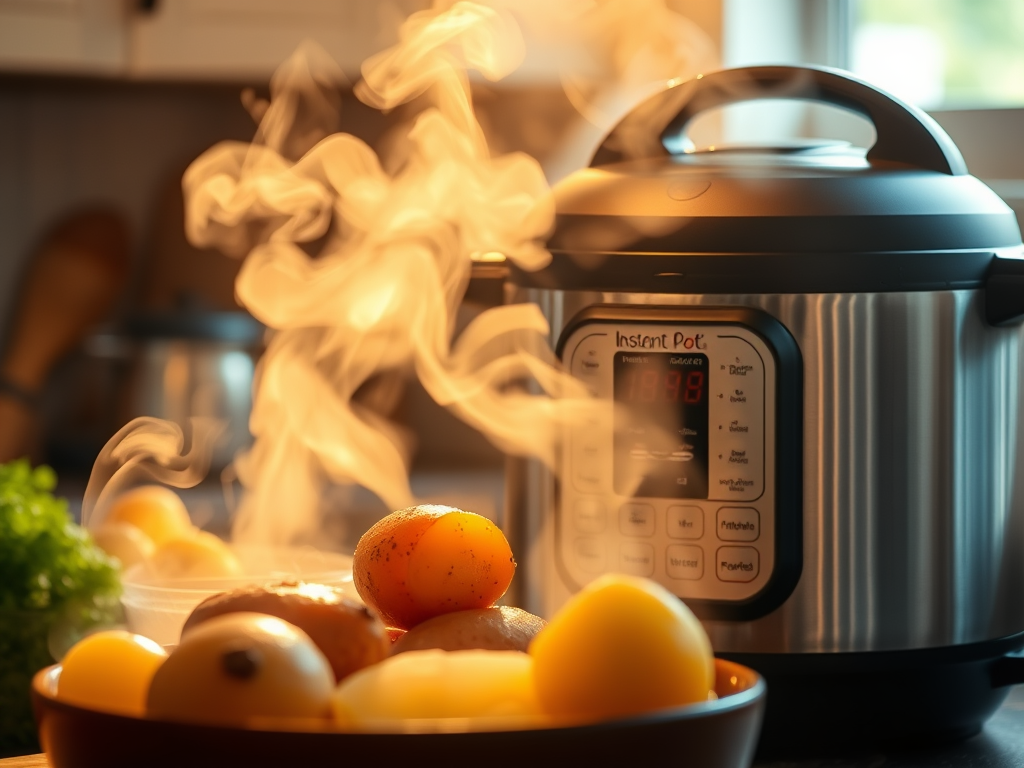
Your Instant Pot can feel like a weeknight miracle… until it isn’t. If the pot didn’t come to pressure, the potatoes are still crunching back, or tonight’s chicken turned to shreds, you don’t need a new recipe—you need a rescue plan. Here’s your science-backed, step-by-step guide to fix the most common pressure cooking fails fast, plus how to prevent them next time.
Free downloadable checklist at the end!
NOTE: This post includes affiliate links. I only recommend products I use and love.
Why Pressure Cooking Fails Happen (The Quick Science)
Pressure cooking is steam math: water + sealed environment + heat = higher boiling point → faster cooking. If any variable is off—too little liquid, a mis-seated sealing ring, overfilled pot, or a sticky burn on the bottom—you’ll get inconsistent results. The good news? Most failures are fixable in minutes.
Quick Index
- Didn’t come to pressure
- “Burn” warning
- Undercooked potatoes, grains, or veg
- Tough meat
- Overcooked proteins or mushy veg
- Watery, bland, or separated sauces
- Prevention checklist
- Salvage ideas to transform “oops” into “awesome”
Didn’t Come to Pressure
What’s happening: Not enough steam or a leak is preventing pressure buildup.
Fix it fast:
- Reseat and re-seal: Check the silicone ring, float valve, and that the steam release is set to Seal.
- Add liquid: Stir in 1/2–1 cup more broth or water. Scrape the bottom to loosen stuck bits.
- Remove volume: If over the 2/3 line (or 1/2 for beans/grains), remove some food and try again.
Pro tip: Frozen ingredients release water as they thaw—this can both help with steam and dilute salt. Season a bit lighter upfront and finish at the end.
“Burn” Warning
What’s happening: Starches or sugars stuck to the bottom are scorching and blocking even heating.
Fix it fast:
- Quick release safely and open.
- Deglaze: Add 1/2–1 cup broth or water. Scrape until the bottom is completely smooth.
- Elevate: Use a trivet and cook delicate/starchy items pot-in-pot (PIP) to prevent scorching.
- Restart: Seal and cook 1–3 more minutes depending on what’s in the pot.
Undercooked Potatoes, Grains, or Veg
What’s happening: Insufficient time or not enough liquid to fully generate steam.
Fix it fast:
- Add 1/4–1/2 cup liquid, stir, re-seal.
- Cook 2–3 more minutes at High Pressure, then quick release.
- For dense veg (carrots, sweet potatoes): 1–2 more minutes does the trick.
- For grains: If water absorbed but centers are firm, add 1/4 cup liquid and 1 more minute; let natural release 5 minutes.
Tough Meat (Especially Roasts or Stew Cuts)
What’s happening: Collagen hasn’t fully broken down yet.
Fix it fast:
- Add time: 5–10 more minutes for cubes; 10–20 minutes for whole roasts.
- Add acidity: 1–2 tablespoons tomato paste, balsamic, or apple cider vinegar helps tenderize and deepen flavor.
- Natural release: Let it rest under pressure 10+ minutes; this continues tenderizing.
Overcooked Proteins or Mushy Veg
What’s happening: Carryover cooking from natural release, or too much time.
Salvage it:
- Shred-and-serve: Turn overcooked chicken/pork into taco filling with a quick sauce (Greek yogurt + lime + cumin) or BBQ sliders.
- Creamy pivot: Blend mushy veg into soup with broth and a splash of cream or cashew milk; season as needed.
- Hidden veg win: Blitz into pasta sauce with tomato, Parmesan rind, or miso for umami.
Watery, Bland, or Broken Sauces
What’s happening: Pressure cooking traps moisture; dairy can separate under pressure.
Fix it fast:
- Reduce: Switch to Sauté and simmer 3–8 minutes to thicken. Stir often.
- Thicken smart: Slurry 1–2 teaspoons cornstarch with cold water; stir in and simmer 1–2 minutes.
- Brighten flavor: Add acid (lemon, vinegar), umami (soy, fish sauce, Parmesan), and freshness (herbs) before salt.
- Add dairy at the end: Stir in yogurt, cream cheese, or cream after pressure release to avoid curdling.
Prevention Checklist (Set Yourself Up for Success)
Before you cook:
- Liquid baseline: Minimum 1 cup thin liquid (broth/water). For dense starches, 1.25–1.5 cups.
- Fill lines: Max 2/3 full; for beans and grains, max 1/2.
- Sealing ring: Fully seated, not cracked or stretched. Replace annually if you cook often.

- Valve and float: Move freely; steam release set to Seal.
- Layer smart: Deglaze after sautéing. Place tomatoes/sugar-heavy sauces on top, not at the bottom.
During cooking:
- Natural release = continued cooking. For delicate foods, use quick release or partial natural release (5 minutes, then vent).
- Smell burning? Quick release immediately, deglaze, and add liquid.
Altitude and equipment notes:
- High altitude: Add 5–10% time per 1,000 ft above 2,000 ft.
- Older pots: May run hotter/colder; keep a simple timing log for your kitchen. Ready for a new Instant Pot? Here are my recommendations:
- Duo vs. Duo Pro Plus vs. Duo Plus: If you sauté a lot, the Pro’s thicker stainless pot and nicer interface feel worth it. If you’re budget-first, the Duo is the workhorse.
From Oops to Awesome: Transformative Salvage Ideas
- Failed rice → Fried rice: Sauté with egg, scallions, frozen peas, soy sauce, sesame oil.
- Overcooked pasta → Baked casserole: Mix with marinara, ricotta, spinach; top with mozz; broil.
- Mushy beans → Refried beans or hummus: Blend with garlic, cumin, lime or tahini + lemon.
- Shredded chicken → Quesadillas or enchilada bake: Add salsa verde and cheese, bake 15 minutes. Try my Lowfat Cheesy Chicken Enchilada recipe for this!

- Watery stew → Hearty sauce: Reduce, then spoon over baked potatoes or polenta.
Instant Pot Potato Salad Watchouts (A Fan Favorite)

- Dice size matters: Smaller cubes cook faster. For 1/2-inch dice, 2–3 minutes High Pressure + quick release; larger dice need 4–5 minutes.
- Steamer basket = better texture: Keeps potatoes off the bottom to avoid burn and mush.
- Mayo/yogurt last: Fold in after cooling to prevent separation.
Fast Diagnostic Flow (Bookmark This👇🏻)
- No pressure? Check ring/valve, add 1/2–1 cup liquid, scrape bottom.
- “Burn”? Quick release, deglaze thoroughly, add liquid, consider trivet/PIP.
- Undercooked? Add 1/4–1/2 cup liquid, +2–3 minutes, quick release.
- Tough meat? +10–20 minutes and natural release.
- Overcooked/mushy? Shred, blend, or reduce—pivot to tacos, soup, or casseroles.
- Bland/watery? Reduce on Sauté, add acid/umami/herbs; salt last.
Frequently Asked “Is This Normal?” Questions
- My Instant Pot hisses a lot before sealing: Normal—steam is displacing air. If it continues more than a minute or two, check the ring and valve.
- Natural release took forever: That’s typical for soups and large volumes. Use partial natural release to control doneness.
- Can I double recipes? Yes, if within fill limits. Keep time the same; the pot may take longer to come to pressure.
Final Word: Don’t Panic—Pivot
Most pressure cooker “fails” are just detours. With a few minutes, a splash of liquid, and the right finishers (acid, umami, fresh herbs), you can turn chaos into dinner—and tomorrow’s leftovers. Save this guide, and if you try a rescue, tag me and tell me what worked. Your feedback helps me make every Hungry AF recipe weeknight-proof.
Want more food content and recipes?
Subscribe to my free Hungry AF newsletter!
Ready to Snack Smarter?
Readers and listeners are always asking for healthy, satisfying snack ideas—and I delivered! 🎉 My brand new ebook, 60 High-Protein Snack Ideas for Real Life (and Real Hunger), is officially live, and it’s free! This guide is packed with crave-worthy, quick-to-make snacks that actually keep you full (because nobody has time for hangry afternoons). Whether you’re meal-prepping for the week, need something you can toss in your bag, or just want to level up your snack game, you’ll find real solutions for real life—no bland rice cakes here.

Follow Hungry AF on all the socials:
Want a printable version?
Grab the Instant Pot Rescue Checklist PDF and stick it on your fridge.

Leave a Reply